
These days there are words being thrown at you like; sustainability, smart cities, green energy and recycling, but how does this actually come together with the infrastructure that we have in place today and how much needs to change before it gets to a point that it is sustainable?
What is #9?
Infrastructure, although we may not think of it much in our daily lives is an integral part of everything we do from the roads to our water supply. However, it is the infrastructure that we have in place (or in many countries don’t have in place) that are letting us down. Many people around the world do not have access to drinking water or other basic needs, this is where the sustainable development goals (SDGs) come in as they are about improving social, economic and environmental issues to provide peace and prosperity for people on the planet. Many of the SDGs can be combined to come up with solutions that are innovative and solve many of the different goals at once. For instance in this blog I will be discussing how innovation in infrastructure (9) of wastewater treatment plants will help with water supply(6), affordable energy(7), sustainable cities(11) and promote sustainable consumption and production(12).
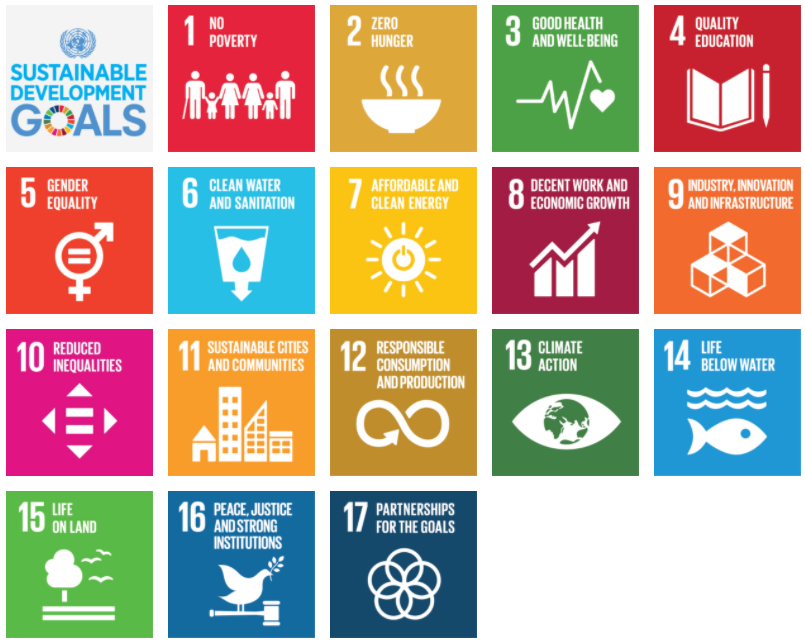
One of the main aims for SDG 9 is to upgrade infrastructure to make it sustainable, with increased resource efficiency and increased use of clean and environmentally sound technology. So yes we hear the word sustainable thrown around all the time, but not how we can make our actions more sustainable and an important note to make it that its not about being more “green” (well sometimes it is), but about creating reliable, consistent infrastructure that can be maintained and upgraded in the future. A way to do this is to create integrated systems that don’t just provide water or wastewater infrastructure to users, but create energy through the treatment process or recycle the water to be reused.
Change from Traditional WWTP to ERF
Wastewater treatment plants (WWTP) are just that they treat wastewater, either through conventional methods or stabilisation ponds. However, because of the excessive amount of power it takes to power the process and the amount of chemicals used to purely return the water back to the ocean via outfalls, there has been a shift and many plants are now being converted to energy recovery facilities (ERF). There are a lot of new innovative technology and ideas that are being deployed in wastewater infrastructure around the world to stop carbon emissions, reduce energy use, create energy from the process and reuse the water.
Right Under Your Nose
There are many ERFs over the world that is now energy positive (Caceres and Alca, 2016), which means it is so energy efficient creating energy from the process that it is able to sell it off. However, unknown to many there is also an energy recovery facility in Perth. The Beenyup Wastewater treatment plant in not yet energy positive but it a great start towards it and all because of the innovative technology employed there to make the plant more sustainable.
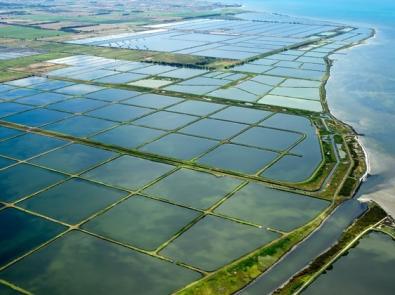
Some of the innovative improvements made to the infrastructure include:
- Use the biogas created from the process to power the secondary treatment process
- Biogas to produce hot water to heat the digestion process, saving energy in the process
- Create biosolids from the sludge to be sold to the agriculture industry as fertilisers
- Treated water to be used to replenish the underground aquifers
- Reducing carbon emissions by implementing a renewable energy generator
All of these steps are helping make the plant more efficient by improving the treatment process to save energy and use the biogas released to create energy. However, this is only improving the process slightly and there are still a lot of ways we can integrate the system as a whole to make the process more efficient and save time and energy.
Not Just for the Plants
Rain water has been collected and used for a long time, because it is a pure source and as long as the system is well designed and maintained it can be used for all domestic uses. So what about the rest of the rain water and run off that goes into the storm drains and then then just released via outfalls, this is a source of water that is already being collected in the system and then just released! From initial toxicology reports of stormwater the benchmarked level of chemicals and microbials is at similar levels to recycled wastewater (Ahmed et al., 2012) (Chong et al., 2013), which means if we were to start treating the storm water the process would be much less strenuous then treating sewage and the water could be used as another source of drinkable water. The research of the chemical run off from roads, building and industrial areas is still quite new but maybe in the future we will be drinking stormwater and hopefully at a lower cost to the planet from the reduced treatment process.

References
http://www.yourhome.gov.au/water/rainwater
Energy Positive Waste Water Treatment Plants
https://sustainabledevelopment.un.org/sdgs
AHMED, W., , L. H., , J. S., GARDNER, T., , K. R., , A. P., AND & TOZE, S. 2012. Health Risk Assessment of RoofCaptured Rainwater. Urban Water Alliance.
CACERES, E. & ALCA, J. J. 2016. Potential For Energy Recovery From A Wastewater Treatment Plant. Ieee Latin America Transactions, 14, 3316-3321.
CHONG, M. N., SIDHU, J., ARYAL, R., TANG, J., GERNJAK, W., ESCHER, B. & TOZE, S. 2013. Urban stormwater harvesting and reuse: a probe into the chemical, toxicology and microbiological contaminants in water quality. Environmental Monitoring and Assessment, 185, 6645-6652.
 Adapt
Adapt 