What is wastewater?
When most people think of wastewater they may have only heard the term used in reference to sewage. However, wastewater includes water from households, rain runoff and industrial sites. Wastewater from households and buildings is known as municipal water and this goes to wastewater treatment plants (WWTP). While there it undergoes chemical, physical and biological processes to remove constituents and ensure the water is at a safe level before being released back into the environment. Clean water and sanitation is very important in society and thus is one of the sustainable development goals, that is why wastewater infrastructure is necessary to dispose of these constituents and return clean water to the environment.
What are constituents?
So as you can imaging there are a lot of solids and other chemicals that end up in the wastewater, from people flushing things they shouldn’t down the toilet to everyday chemicals that end up down the drain. All of these excess products are known as constituents and must be removed from the water before it can be returned to the environment .
UnFun Fact: About 75% of all sewer blockages involve wet wipes. These blockages can cause sewage overflows into homes or creeks.
Sydney Water
Flushed wet wipes are costing our community $8 million every year and this figure is growing!
How is wastewater treated?
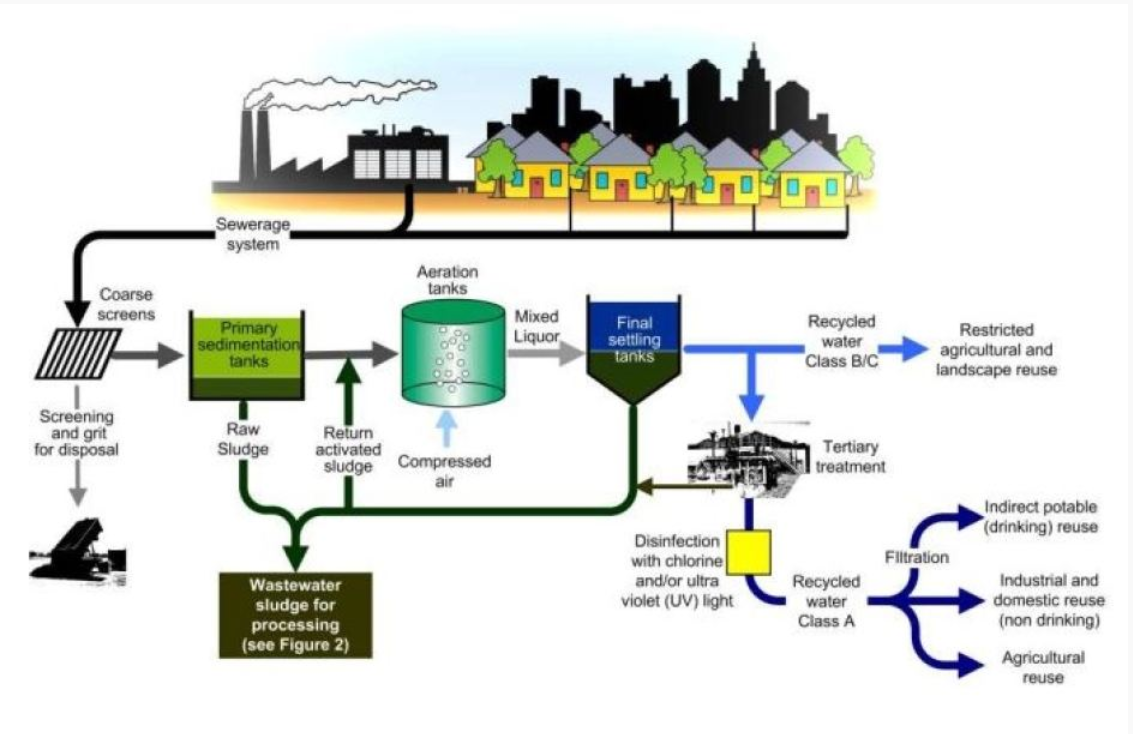
There are many different processes for treating wastewater and it is continually changing and improving as new research and advanced technology comes out. One of the most common treatment methods is a process of separating the solid from the liquids, called extended aeration, this is done in settling ponds. The other common process used in major populated areas is sedimentation treatment which goes through up to 3 levels of treatment: primary, secondary and tertiary. After treatment the water is returned to the ocean via outfalls, recycled or allowed to infiltrate back into the ground.
Primary Treatment
This is the first stage of the process and is to remove the large solids from the water. The screen trap larger constituents such as food, wet wipes, plastics and other items that have made it down the drain. There are also grit tanks which allow particles to be separated, particles like sand sink and are scraped off the bottom, while oils and grease are removed from the top.
Secondary Treatment
This process involves adding microorganisms to the wastewater to break down the nutrients and small organic solids. The activated sludge is then separated from the water where it is turned into bio solids, the water continues on to be tertiary treated.
Tertiary Treatment
Tertiary treatment is where the water is either undergoes micro filtration or synthetic membranes. After the filtration process the water is almost indistinguishable from water of drinking quality, although it lacks the minerals found in drinking water.
The Challenges
The current challenges being faced are that WWTPs use a lot of energy to pump the water and undergo the treatment process. On top of the energy needed to just move the water and power to separate the sludge and filter the water, solids management accounts for 20-30% of the total plant energy demand. This is a huge challenge for the WWTPs as it is causing millions of dollars needed in repairs when there are blockages due to people disposing of non flushable items and them ending up in the wastewater as constituents. Another issue with wastewater treatment is the overall footprint of the plant, aeration treatment in particular needs a lot of spaces for the settling ponds and as the capacity of the plant is increased this comes to the issue of additional land. WWTPs also require a lot of space for the treatment processes as gigalitres of water they treat everyday have to go through the screens and large tanks.
They aren’t all bad!
We may not be able to rapidly improve the situation to do with solid constituents unless people are educated and societies culture behind disposal of products into the waterways are improved. However, there are some by-products of the WWT process that can help over come the challenges to do with the amount of waste being produced and the huge requirement of energy to run the plants.
- The anaerobic digestion phase of the wastewater treatment process produces methane gas and this is increasingly being used in plants to generate electricity to go back into the plant.
- Advances in technology are making the process more energy efficient
- New technology allows smaller basins to be used for the aeration ponds so that less land is needed to treat the wastewater
- The biosolids that are created from the sludge are be sold as fertiliser for the agriculture and farming industry
Biosolids
The wastewater treatment process produces organic sludge form the constituents, which is then collected and treated to convert it into a safe nutrient rich fertiliser product called biosolids. The biosolids have to be treated and managed properly and has to fulfill strict management guidelines, it is regarded as biosolids after it has undergone treatment to reduce disease causing pathogens and volatile organic matter.
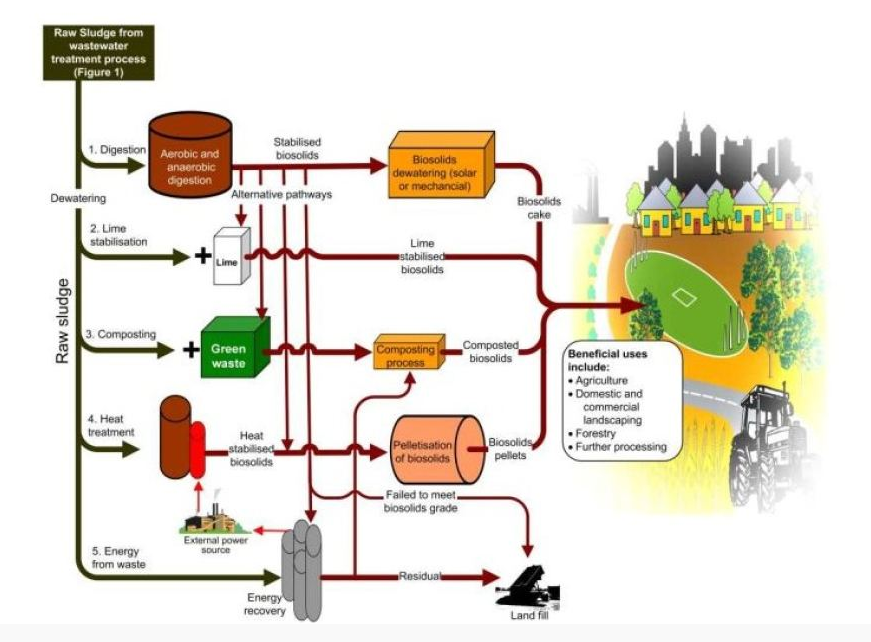
Biosolids are useful as fertilisers because it is made from all the constituents in wastewater that comes from the chemicals that end up in the drain from kitchens and laundries, they contain nutrients such as nitrogen, phosphorous, calcium, iron and magnesium.
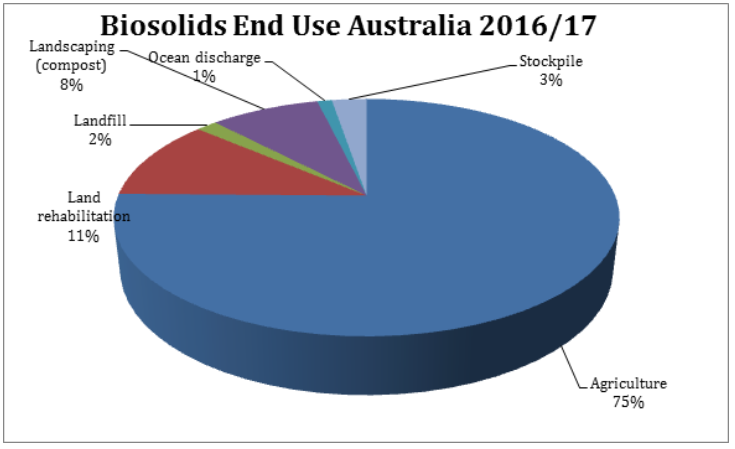
There are many benefits to using biosloids and these are:
- Minimising the release solids and chemicals into oceans
- Recycling a product that would otherwise go to landfill
- Reducing the chemical fertilisers used on farms and the excess waste that would be be generated from those chemicals
- Producing gas that can be used to generate electricity making the WWT process more efficient.
So as we can see there is a lot of work that needs to be done to reduce the amount of constituents in wastewater and other challenges throughout the WWTP that need to be addressed. However, there are some solutions and ways that the process have additional benefits and biosolids are just one of them!
For more benefits from Biosolids watch my vlog below!!
References
https://en.wikipedia.org/wiki/Wastewater_treatment
https://en.wikipedia.org/wiki/Sewage_treatment
http://www.blueplanet.nsw.edu.au/cftc–saw–the-wastewater-treatment-process/.aspx
https://www.britannica.com/technology/wastewater-treatment/Sludge-treatment-and-disposal
https://toxics.usgs.gov/highlights/biosolids.html
https://www.sydneywater.com.au/SW/education/Wastewater-recycling/Wastewater-treatment/index.htm
 Adapt
Adapt 
Loved it! I’d never thought of biosolids as being a potential to create electricity before, but that’s so cool! How crazy that the wastewater treatment process may be able to (partly) run itself in the future
LikeLike
The clearness and conciseness of you blog makes it so easy to retain information, I think that’s great! I really learnt a lot!
LikeLike